A GLP-1 shipment raises questions before the first use
The FDA’s current concerns make the label, pharmacy, and arrival condition worth a careful read.
By the Wellness Briefroom editorial desk · Checked October 3, 2026
Current FDA guidance checked October 3, 2026
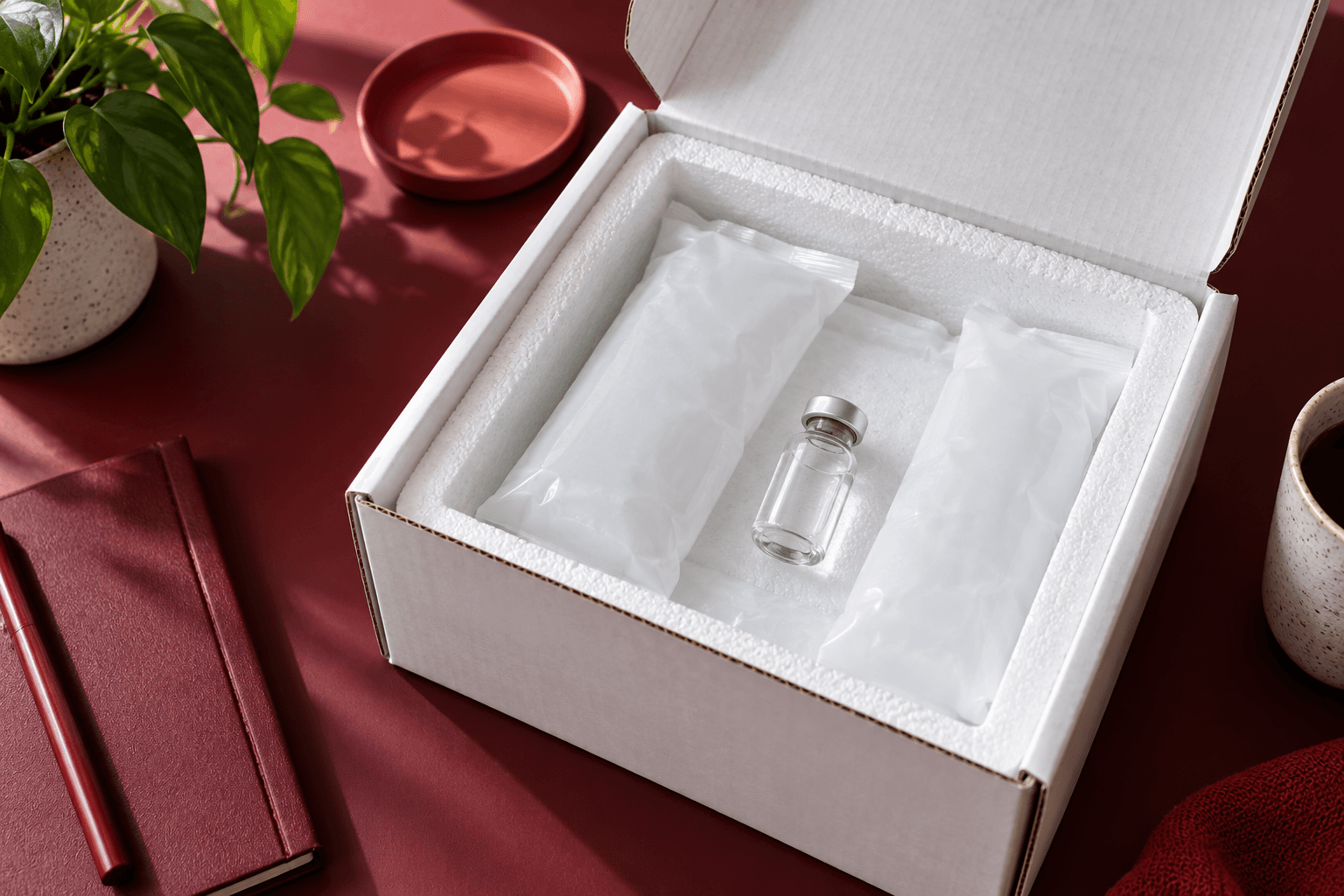
An online medicine page and a delivered package are two separate things to examine. The page describes an offer; the package carries the pharmacy information and instructions for what was actually dispensed. When those details are confusing, a promotional photograph or a low monthly number cannot resolve them.
The FDA’s current page on unapproved GLP-1 drugs identifies concerns involving shipping conditions, labels, pharmacy identity, and dosing errors. This brief turns a small part of that guidance into questions to take to the dispensing pharmacy and care team. It contains no injection instructions or dose conversions.
Begin with the FDA’s evidence boundary
FDA says compounded drugs should be used only when a patient’s medical needs cannot be met by an approved drug. Compounded products do not undergo the agency’s premarket review for safety, effectiveness, and quality. A listing alongside familiar drug names does not change that status.
The agency advises obtaining a prescription and using a state-licensed pharmacy. It also recommends not using an injectable GLP-1 drug that arrives warm or inadequately refrigerated. Contact the compounder or telehealth platform about the label and instructions.
Keep the package information together
For a nonurgent question, have the pharmacy name, the medicine’s written name, the order reference, and the packaging description available when you contact the provider. Ask where to send a packaging concern securely. Do not post a prescription label with personal information in a public comment or send it to an editorial publication.
If the package differs from what you expected, describe the difference plainly. “The written label is different from the listing I saved” is a clearer starting point than guessing why it changed. The pharmacy can address the dispensed product; an article can only explain what to ask.
Avoid solving a label problem with internet arithmetic
A number printed on a vial, a volume on a syringe, and the dose in a prescription are not interchangeable descriptions. This publication does not translate between them. If directions are missing, changed, or unclear, ask the qualified care team to explain the intended instructions before use.
Save the contact route for questions after delivery as well as before purchase. A service comparison that stops at checkout can miss the moment when help is actually needed. Ask who handles a package concern, who answers a prescription question, and how each team can be reached.
Read the current page, not a cropped quote
The FDA resource covers more topics than this brief, including additional compounding and dosing concerns. Read that source directly. The date on a saved note indicates when you looked at it; it does not freeze the guidance or certify any seller’s compliance.
Our binder exports the source URL and the unresolved question alongside the article title. Keep that question available for the next call. Seek appropriate medical care for an urgent or severe problem rather than waiting for an editorial response or using a shipment checklist as treatment advice.
Sources on this desk
Official pages checked October 3, 2026. A provider page supports published terms; it is not an independent outcome study.