Read the activity week in three parts
The CDC’s older-adult overview includes aerobic, strengthening, and balance activity.
By the Wellness Briefroom editorial desk · Checked October 3, 2026
CDC page dated December 4, 2025; checked October 3, 2026
A weekly activity total is easy to remember and easy to oversimplify. Counting minutes can make one part of a guideline visible while hiding the other parts. A better reading asks which types of activity the source names and which age group its overview addresses.
The CDC’s older-adult page is for adults 65 and older. It describes aerobic, muscle-strengthening, and balance activity. This brief is a reading aid for that public-health overview, not a personalized training plan or a recommendation to attempt a movement that feels unsafe.
Keep all three headings in view
For adults 65 and older, CDC describes at least 150 minutes of moderate-intensity aerobic activity each week, or 75 minutes vigorous, or an equivalent combination. It also includes muscle-strengthening activity on at least two days and balance activity. The page advises being active as abilities and conditions allow when recommendations are difficult to meet.
Those headings should remain separate when you take notes. A long walk does not automatically answer every question in the strengthening and balance portions of the overview. The source’s age group also matters; do not relabel this specific page as a personalized rule for every adult over 50.
An honest week starts with an observation
Write down the activities you already recognize in your ordinary week. Use plain names and distinguish what you did from what you intended to do. If you are uncertain how an activity fits, keep that as a question rather than assigning it a category for the sake of a completed chart.
This reading exercise can be useful even without a numeric total. You might discover that your notes describe walking clearly but say little about another part of the overview. That is information to discuss, not a grade or a reason to add difficult movements on your own.
Ask about the practical setting
A routine takes place in a real home, neighborhood, or facility. Access, available support, and comfort with the setting affect what can be considered. Bring those practical details into a conversation with a qualified professional when asking which activities suit your circumstances.
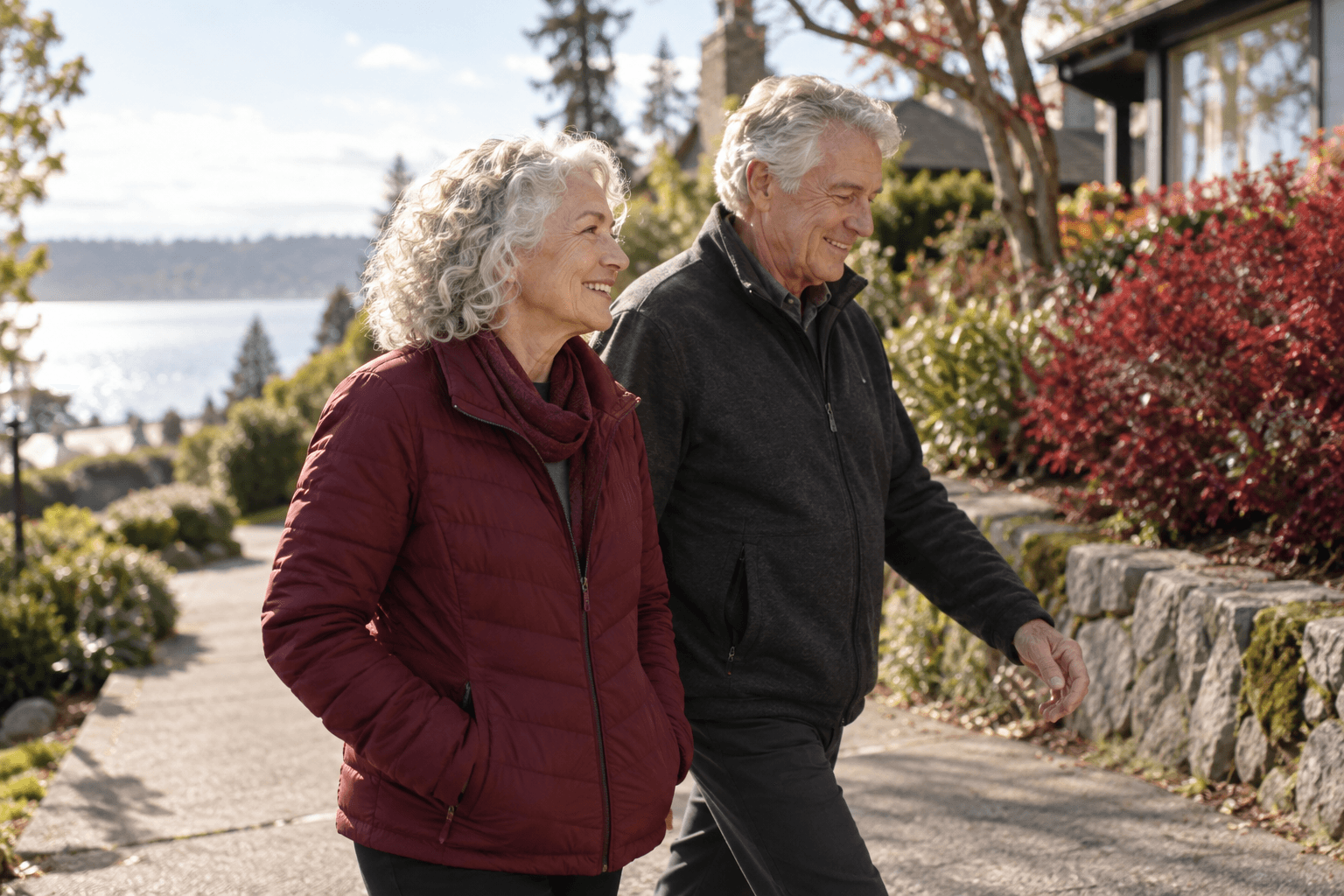
The photograph accompanying this article is an original editorial illustration. It does not depict study participants, an evaluated exercise program, or proof that a particular walking pattern meets a clinical goal. A pleasant picture should make an article easier to read without carrying a hidden claim.
Use related reading without mixing the evidence
The creatine brief in this issue concerns an ingredient and the context of research claims. This activity brief concerns a public-health overview. Saving them together can help you prepare questions, but reading one does not establish that a supplement is required to meet the other.
Download your saved brief list if you want a portable set of sources. You can add a private note about the question you intend to ask; the binder stays in this browser until you export it. No activity record is sent to a clinician or converted into an exercise prescription by this site.
Sources on this desk
Official pages checked October 3, 2026. A provider page supports published terms; it is not an independent outcome study.